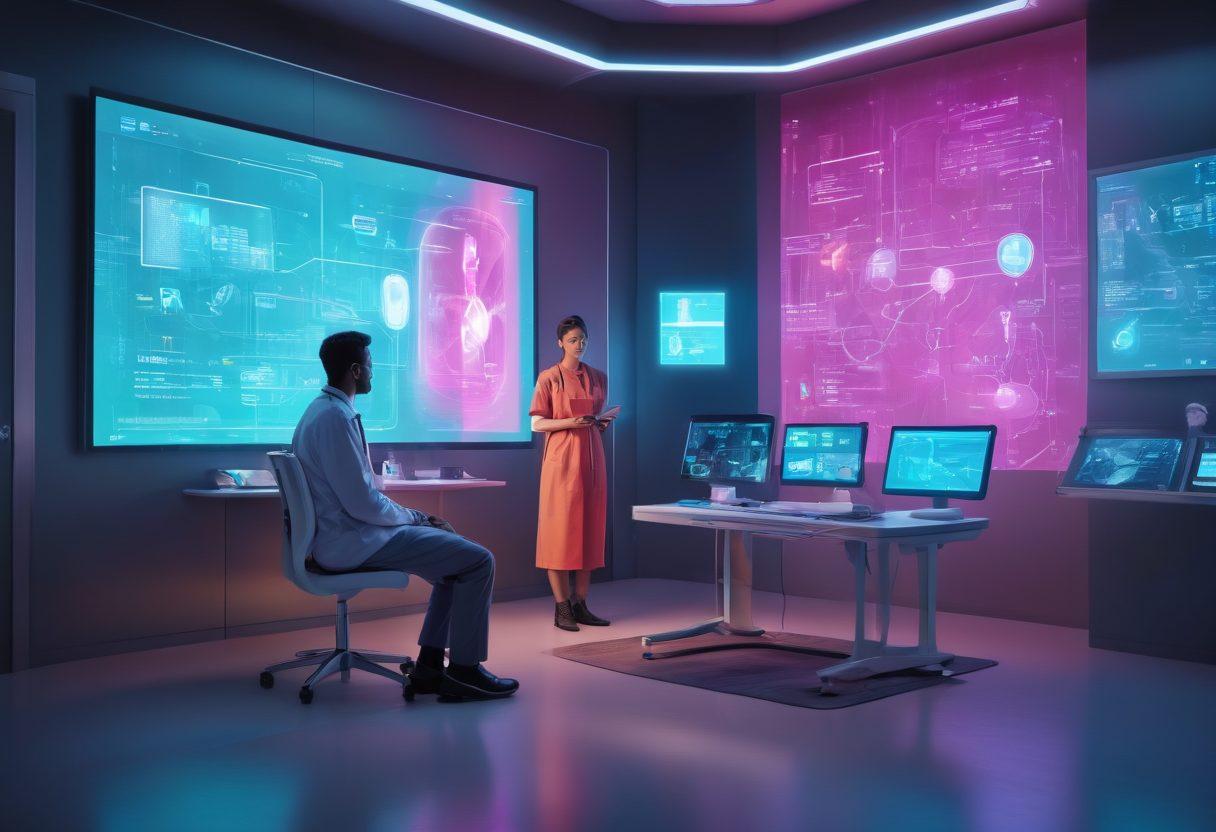
Navigating the Future of e-Health: Essential Tips and Insights for Digital Healthcare Enthusiasts
In an era where digital interactions have become as ubiquitous as our morning coffee, the healthcare sector is racing towards a future dominated by e-health. But what exactly does 'e-health' mean for us, the everyday patients and caregivers? Imagine a world where your healthcare provider can monitor your health data from miles away, offering you timely advice well before you even set foot in the clinic. It’s not science fiction—it's today's reality! In this blog, let's unlock the power of e-health, exploring essential insights that tomorrow's healthcare warriors need to embrace. After all, health technology is shaping the world in a way that enables us to take control of our own wellness like never before. Are you ready to step into the future of healthcare?
Navigating the complexities of electronic healthcare can feel like wandering through a dense forest without a map. Fortunately, insightful health tips can guide you, illuminating the path to better patient management and care. For instance, the rise of telehealth services has transformed how we think about remote healthcare. Telehealth not only offers convenience but also ensures that patients can access medical resources from the comfort of their homes. Imagine skipping the waiting room entirely to receive online medical advice while lounging on your couch! It’s that simple. The question isn’t whether you should integrate telehealth into your routine, but rather, how soon will you start?
In the world of digital healthcare, one thing is abundantly clear: health education is key. As we navigate this vast digital landscape, understanding health technology and its applications can empower us in ways we never thought possible. Consider this: each time you check your mobile health app, you are not just monitoring your fitness—you're engaging in a conversation with your own health. How cool is that? By staying informed about connected health, we can leverage clinical information to make proactive decisions regarding our wellness. So, how equipped do you feel to harness this power?
As we dive deeper into the realm of virtual care, it's essential to recognize the transformative impact of health information technology on patient care. With clinical data being collated and analyzed in real time, healthcare management is now more efficient than ever before. You may be asking—what does this mean for me as a patient? It means accurate health monitoring and care tailored to your specific needs. Whether through remote health applications or in-person visits complemented by online interfaces, accessing your health data has never been easier. Take a moment to reflect: how often do you check in with your health?
Lastly, as we look ahead, let’s not forget the sheer importance of health resources available through wellness blogs and platforms. They are treasure troves of information waiting to be explored. Imagine being able to compare various health services at your fingertips, or finding community-based support through virtual forums. In this rapidly evolving landscape, it is more crucial than ever for us to stay informed and adapt to new health services and trends. So, what’s your next step towards harnessing the full potential of e-health?
From Telehealth to Remote Care: Your Guide to Navigating Digital Health Technologies
In recent years, e-health has transformed the way we approach healthcare, opening the door to revolutionary advancements in patient care. The marriage of technology and medicine has given rise to a plethora of options, from telehealth consultations to remote health monitoring, fundamentally altering how we think about health management. But how can you keep up with this rapid evolution? As a digital healthcare enthusiast, navigating the world of virtual health technologies becomes an exciting adventure filled with opportunities and challenges. Whether you are a patient or a healthcare provider, getting to grips with the latest trends and innovations is crucial.
Imagine waking up and consulting with a healthcare professional without stepping outside your home. Sounds like a dream, right? Well, welcome to the age of telehealth! This aspect of health technology allows for easy access to online medical advice and has redefined the patient experience. But with a plethora of e-health services available, how do you determine which solutions are right for you? The key is to familiarize yourself with health resources available at your fingertips. Be proactive in your health education; understand what each service offers, and recognize how it can integrate into your own healthcare management strategy. Your health journey is yours to shape, and with the right knowledge, you can take charge.
As technology advances, so does the wealth of health data available. But with great power comes great responsibility! The challenge lies in discerning useful information from noise. Visualization tools, health monitoring apps, and connected health devices provide incredible insights into daily health metrics, but are you using them to their full potential? Take your time to explore various mobile health applications that help track wellness routines and improve overall patient care. For instance, integrating wearables like fitness trackers into your daily routine can be a game-changer for maintaining your health—just remember that data is only as good as the way you act upon it.
Do you have a supportive network to help you navigate the ins and outs of digital healthcare? Engaging with a community of like-minded individuals through wellness blogs and healthcare blogs can expose you to fresh perspectives and invaluable health tips. By discussing shared experiences, you not only increase your knowledge but also foster a sense of belonging. This interconnectedness is vital—after all, health is not just about clinical information; it’s about people! Communities provide guidance, support, and the kind of emotional intelligence that standard online resources cannot. So, don’t be afraid to ask questions, share stories, and learn from others’ journeys.
In conclusion, embracing the world of remote healthcare is an exploration of uncharted territories filled with potential benefits. As you venture forth, remember to stay curious and engaged. With each innovation, be it virtual care or telehealth, there are new lessons to be learned. Stay updated on the latest technology trends and don’t shy away from experimenting with different health monitoring tools. After all, navigating the future of e-health is ultimately about empowering yourself and others to live healthier, happier lives. So, grab your mobile devices, connect with professionals, and immerse yourself in the digital healthcare revolution!
Maximizing Patient Care: Essential Tips for Embracing the e-Health Revolution
As we stand on the precipice of a healthcare transformation, the future of e-health is not only exciting but imperative for better patient care. Imagine a world where the boundaries of traditional healthcare are dissolved, allowing for seamless interaction between patients and healthcare providers via advanced technology. With digital healthcare evolving at lightning speed, it’s essential for stakeholders to embrace this revolution. Just think of the possibilities: from telehealth consultations to mobile health apps that monitor our vital signs. Are patients ready for this wave of innovation? And more importantly, are healthcare providers prepared to maximize patient care in this new era?
When one considers the traditional approaches to healthcare management, the image of waiting rooms packed with patients springs to mind. Now, picture a connected health system where patients can access high-quality care from the comfort of their homes. E-health is not just about technology; it's about reimagining the entire patient experience. A quote that resonates deeply in this context is, 'The future of healing is in the hands of those who dare to innovate.' By adopting health information technology, we can foster environments that prioritize patient management and health monitoring, alleviating the unnecessary strain on physical healthcare facilities. How can we harness these tools effectively to optimize care delivery?
Digital healthcare tools, especially in the realm of telehealth and remote healthcare, have proven to be pivotal in reaching underserved populations. Imagine a single parent in rural America, miles away from medical resources, who can now receive online medical advice through a simple app. This is the miracle of health technology that brings care directly to one’s fingertips. Considering these medical resources makes it invaluable to connect with patients, regardless of where they are located. For anyone interested in creating an inclusive healthcare blog or wellness blog, focusing on real-life patient stories can be incredibly impactful. Have you ever witnessed the transformative power of remote health in someone’s life?
Yet, while we celebrate the possibilities of virtual care and health education, we must remain vigilant. The rise of e-health demands robust cybersecurity measures and strict adherence to privacy regulations. After all, sharing sensitive health data should never come at the expense of personal security. Engaging patients with clarity around how their information will be used can lead to better compliance and trust. How can healthcare organizations ensure that their e-health services are secure while also being user-friendly? Finding that balance may just be the key to a successful transition into the digital age of healthcare.
Lastly, embracing e-health isn’t just a technological shift; it’s a cultural one within the patient care landscape. As health data becomes increasingly complex, we should prioritize empowering patients through education, ensuring they feel confident navigating their healthcare journeys. From choosing the right health resources to understanding clinical information, the goal should always be to enhance engagement and self-management. In a world where patients can play an active role in their health, how do we bridge the gap between knowledge and action? By fostering a community focused on sharing health tips and strategies, we can maximize the impact of electronic healthcare and usher in an era of improved patient experiences and health outcomes.